Payment reminders and collections: polite, firm follow-ups with AI
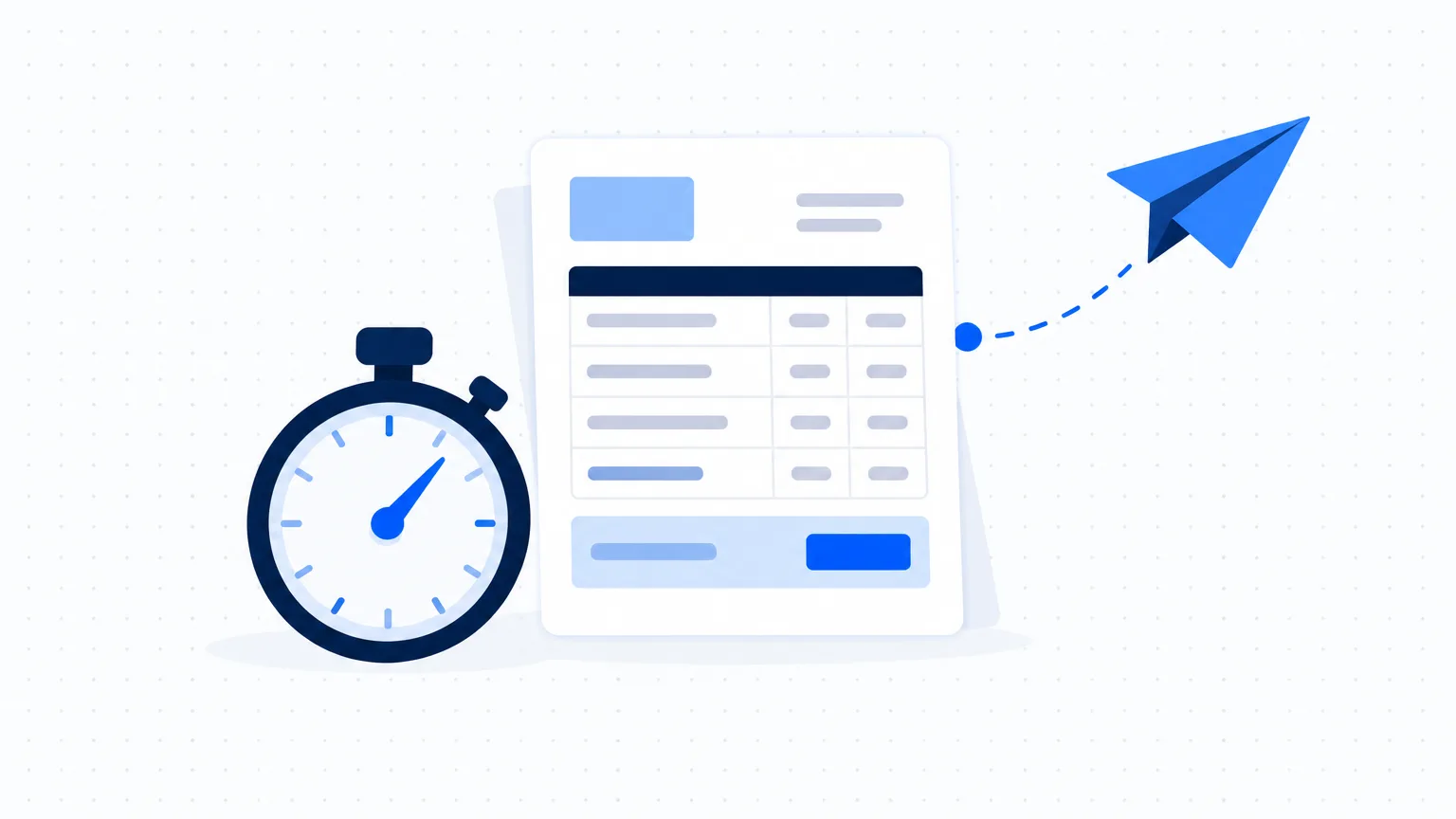
Late payments hurt small businesses more than lost sales. Set up a reminder schedule with ready messages for each stage, written by AI and sent by a person.
On this page
- Step 1: Make the terms clear before the reminder is ever needed
- Step 2: Keep one receivables sheet
- Step 3: Set the schedule
- Step 4: Draft all five messages once
- Example: stages 2 and 4
- Step 5: Fill in the details yourself
- Step 6: Record every promise
- When reminders do not work
- What AI should not do
- A weekly routine
- Mistakes to avoid
Many owners find it uncomfortable to ask for their own money, so reminders are sent late, or in a rush, or in anger. A schedule with ready messages removes the discomfort: the reminder goes out because it is Tuesday, not because you are upset.
Step 1: Make the terms clear before the reminder is ever needed
- Write the payment terms on the quotation and the invoice: "Payment within 15 days of invoice date."
- Put the due date itself on the invoice, not only the number of days.
- Add your bank details and UPI ID to every invoice, so that paying is easy.
- For new customers, consider an advance.
Most "late" payments are simply unclear payments.
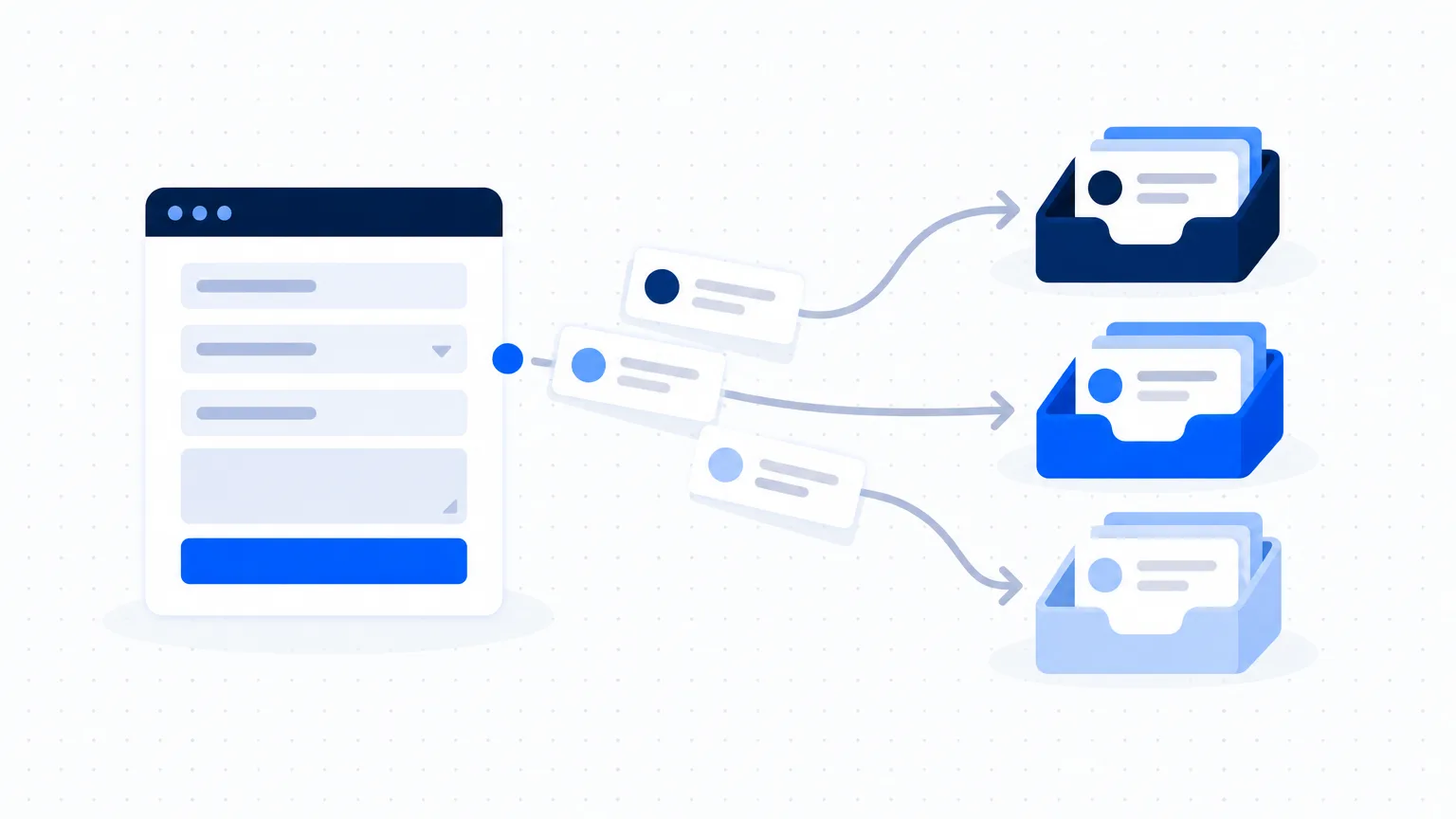
Step 2: Keep one receivables sheet
| Column | What goes in it |
|---|---|
| Invoice number and date | |
| Customer | |
| Amount | |
| Due date | |
| Days overdue | A formula: today minus the due date |
| Last reminder | Date and stage |
| Promise | What the customer said and the date they gave |
| Status | Open, part paid, paid, disputed |
For help with the formulas, see AI for Excel and Google Sheets.
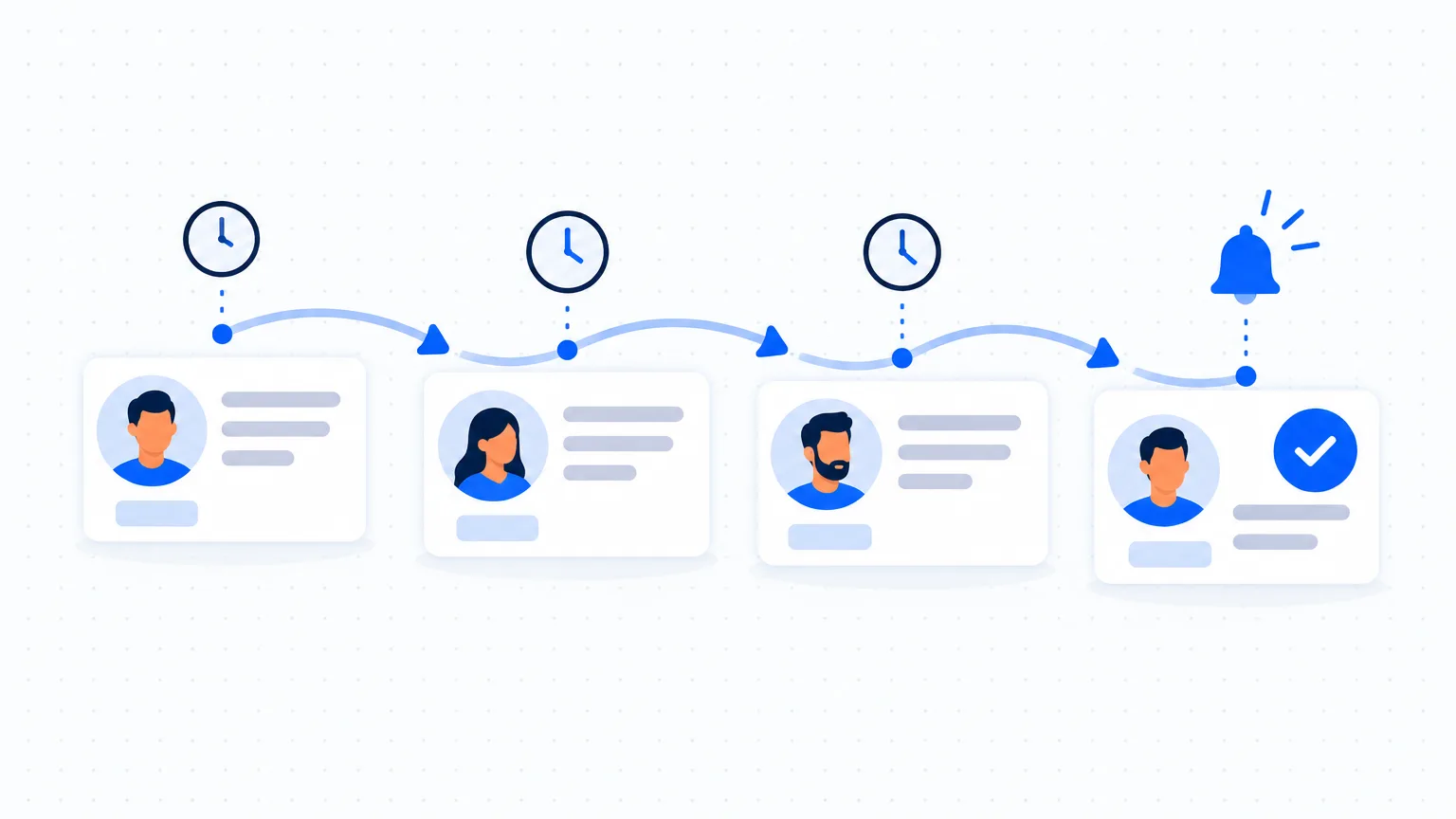
Step 3: Set the schedule
| Stage | When | Tone |
|---|---|---|
| 1 | 3 days before the due date | Helpful reminder |
| 2 | On the due date | Friendly and clear |
| 3 | 7 days overdue | Clear, asks for a date |
| 4 | 15 days overdue | Firm, a call as well as a message |
| 5 | 30 days overdue | Formal, from the owner |
Adjust the days to your trade. What matters is that the schedule is fixed.
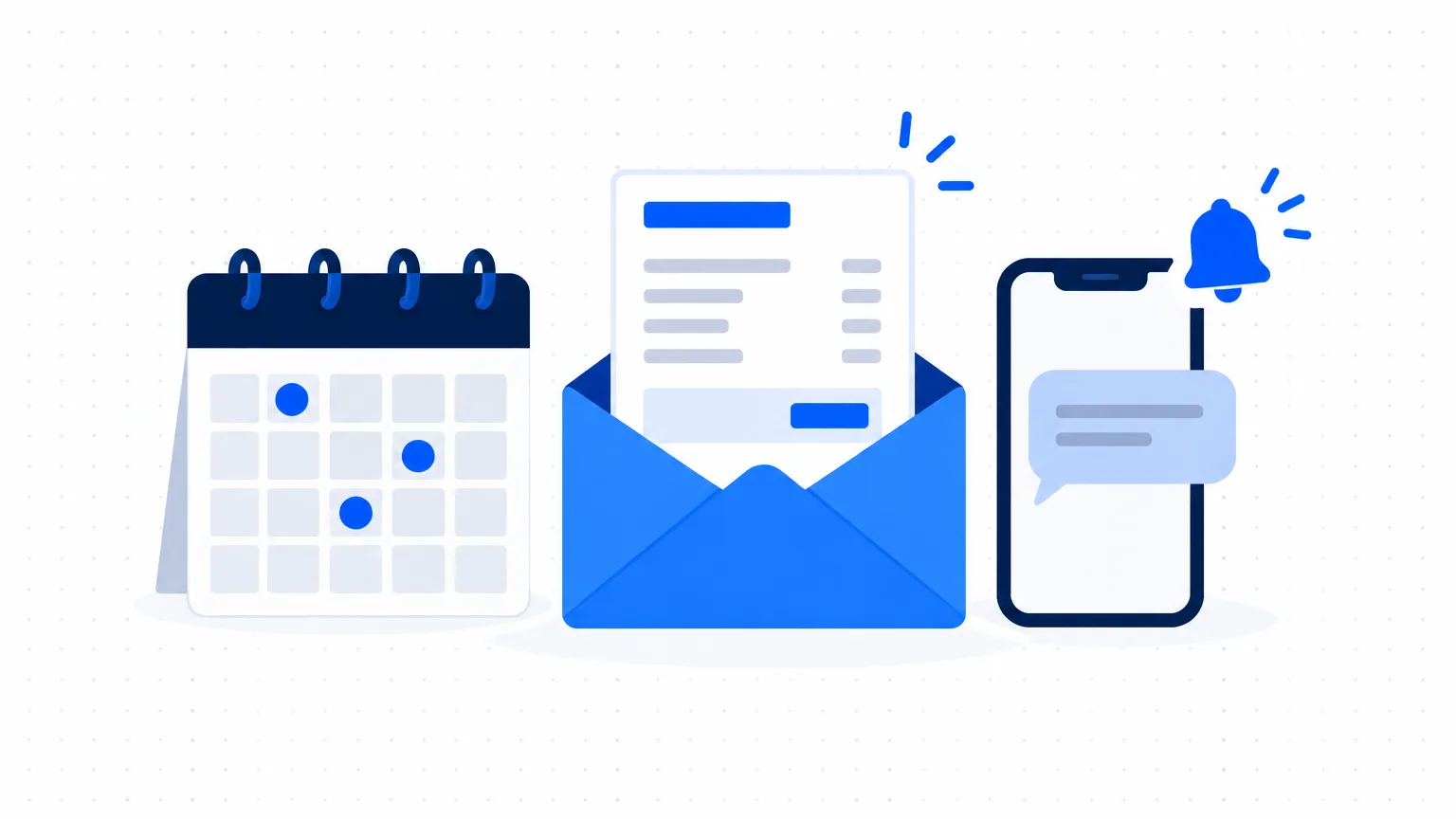
Step 4: Draft all five messages once
You help a [type of business] in India collect payments politely. Write five short payment reminder messages for WhatsApp, one for each stage: (1) three days before the due date, helpful; (2) on the due date, friendly; (3) seven days overdue, clear and asking for a payment date; (4) fifteen days overdue, firm and respectful; (5) thirty days overdue, formal, from the owner. Each under 60 words. Use placeholders [customer name], [invoice number], [amount], [due date]. Never threaten, never shame, and do not mention legal action. Simple English.
Ask for Hindi versions if you need them. Save all five as quick replies.
Example: stages 2 and 4
A made-up stationery wholesaler, used only to show the change of tone.
Stage 2 (due date): "Hello [customer name], a gentle reminder that invoice [invoice number] for [amount] is due today. Our UPI and bank details are on the invoice. Please ignore this if you have already paid. Thank you."
Stage 4 (15 days overdue): "Hello [customer name], invoice [invoice number] for [amount] is now 15 days overdue. Please let me know today the date on which we can expect payment. If there is any problem with the goods or the invoice, tell me and I will sort it out at once."
Notice that the firmer message still offers a way out. Sometimes the payment is late because of a dispute nobody mentioned.
Step 5: Fill in the details yourself
Do not paste customer names, phone numbers or invoice amounts into the AI. The templates carry placeholders; your team fills them in from the sheet when sending.
Step 6: Record every promise
When a customer says "I will pay on Friday", write it in the sheet and follow up on Friday. A promise that is recorded is kept more often.
When reminders do not work
Decide your own policy in advance, and apply it the same way to everyone:
- pause new supply after a fixed number of days overdue
- move the customer to advance payment
- offer a payment plan in writing
- send a formal letter
If your business is registered as a micro or small enterprise, Indian law gives you specific rights when a buyer pays late, including a time limit for payment and interest on delayed amounts, and there is a government portal for delayed-payment complaints. Ask your accountant or lawyer how this applies to you. This is general information, not legal advice.
What AI should not do
- Send reminders automatically without a person looking at the list first. A customer who has paid, or who has raised a dispute, must not receive a reminder.
- Write threats or anything that could be read as harassment.
- Decide who gets credit.
A weekly routine
Every Monday, 20 minutes: open the sheet, sort by days overdue, send the messages for each stage, and call everyone at stage 4 or 5. Once a month, ask AI to summarise the sheet's totals by stage, with names removed.
Mistakes to avoid
- Waiting until you need the money. Start with stage 1, before the due date.
- The same message every time. The customer stops reading it.
- Reminding in anger. That is what the ready messages are for.