Turn what your team knows into SOPs with AI
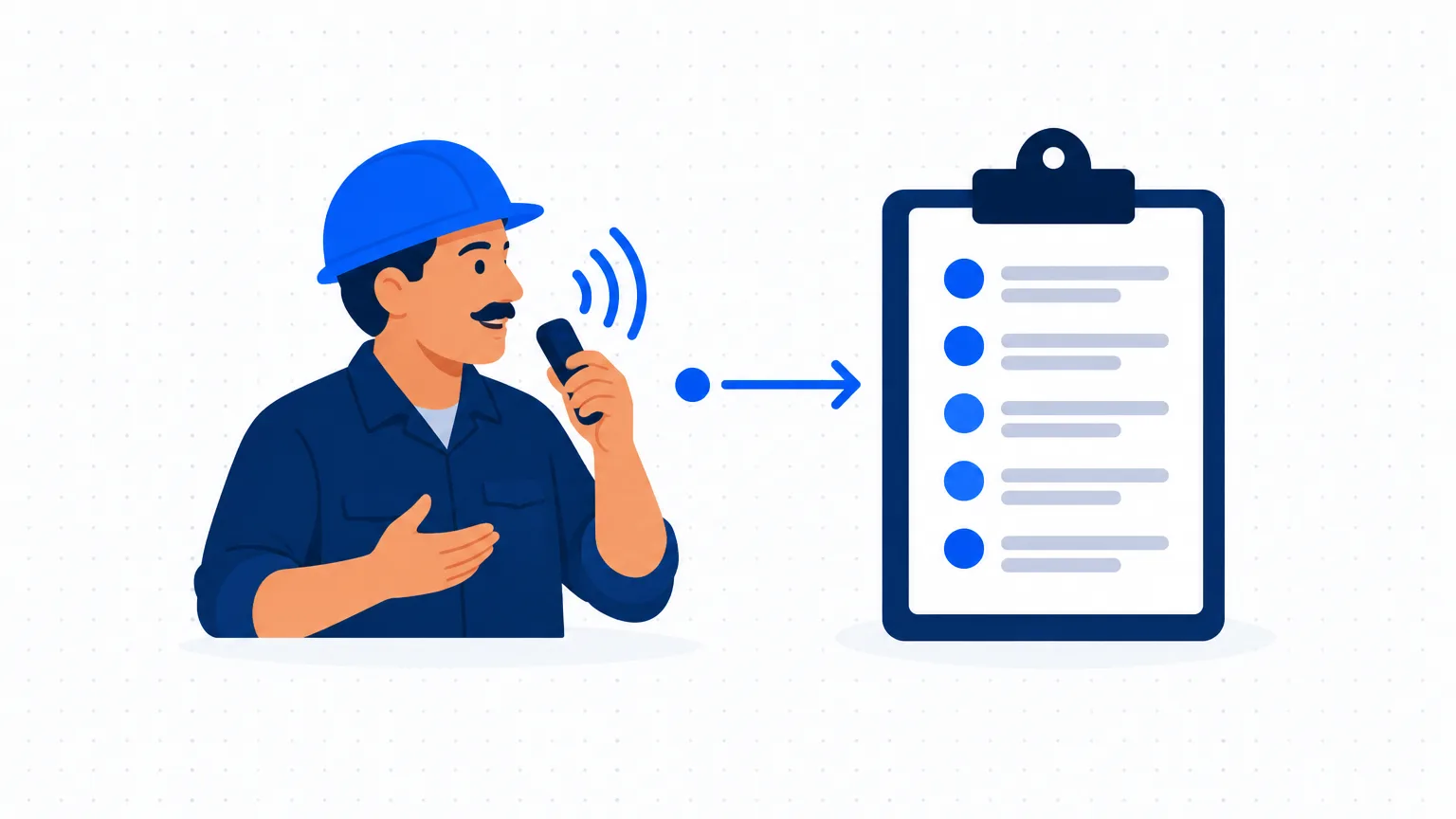
In most small businesses, the way things are done lives in two or three heads. Record a person explaining a task, and let AI turn it into a clear step-by-step procedure.
On this page
Ask yourself: if your most experienced employee were away for a month, which tasks would stop? Those tasks need a written procedure, usually called an SOP (standard operating procedure). Writing SOPs used to take weeks. With AI it takes about half an hour per task.
Step 1: Choose five tasks
Pick tasks that are done regularly, matter to customers or money, and are known well by only one or two people. Typical examples:
- how to prepare and send a quotation
- how to receive and check incoming stock
- how to close the cash counter at the end of the day
- how to handle a return
- how to add a new customer to your records
Step 2: Record the expert explaining it
Ask the person who does the task to explain it as if to a new joiner, while you record on a phone. Ask three questions as they go:
- "What do you do first, and then?"
- "What goes wrong most often here?"
- "How do you know it is done correctly?"
Ten minutes of talking is enough for most tasks. Most phones and AI assistants can turn the recording into text. If the recording includes customer names or prices, remove them from the text before the next step.
Step 3: Turn the transcript into an SOP
Turn this spoken explanation into a standard operating procedure for a small business. Format: (1) Purpose in one line; (2) When to do it; (3) What you need before you start; (4) Numbered steps, one action per step, in simple English; (5) Common mistakes and how to avoid them; (6) How to check it was done correctly. Keep the speaker's actual steps. Do not add steps that were not mentioned. If a step is unclear or seems to be missing, list it under "Questions for the expert". Explanation: [paste transcript].
Step 4: Close the gaps
The "Questions for the expert" list is the most valuable part. Take it back to the person, get the answers, and ask AI to update the SOP. This is usually where the hidden knowledge comes out: "Oh, and if the supplier is X, we also check the batch number."
Example: a short SOP
A made-up distributor, used only to show the format.
SOP: Receiving stock from a supplier
- Purpose: make sure we receive what we ordered, in good condition.
- When: every time a delivery arrives.
- You need: the purchase order, a pen, the stock sheet.
- Count the boxes before signing the delivery note.
- Open one box in every ten and check the items against the purchase order.
- Write any shortage or damage on the delivery note before signing.
- Take a photo of damaged items.
- Enter the received quantity in the stock sheet the same day.
- Send the photo and the shortage note to the purchase manager.
- Common mistake: signing first and counting later.
- Done correctly when: the stock sheet matches the delivery note and any shortage has been reported.
Step 5: Test it
Give the SOP to someone who has never done the task and watch them follow it without help. Every time they stop or ask a question, the SOP needs a change. This test finds more problems than any amount of rereading.
Step 6: Keep SOPs where people work
- One shared folder, one SOP per document, with a clear name.
- A printed copy at the place where the task is done, for physical tasks.
- The date and the owner's name at the bottom.
- A review every six months, or whenever the task changes.
Useful extras
- A checklist version. Ask AI: "Turn this SOP into a checklist of ten lines or fewer."
- A Hindi version for team members who prefer it. Have a Hindi speaker check it.
- A training quiz. "Write five questions to check that a new joiner has understood this SOP."
Mistakes to avoid
- Writing the ideal process instead of the real one. Document what actually works, then improve it.
- Long SOPs. If it has more than fifteen steps, split it into two.
- Writing them and never using them. Use the SOP the next time you train someone, and the time after that.
- Letting AI fill gaps. It will write plausible steps that are wrong for your business.
Next step
Once the main tasks are written down, decide which of them AI can help with: Where to use AI first in a small business.