Where to use AI first in a small business: a simple way to decide
Most businesses start with the wrong question. Use four checks to pick a first AI project that is useful, safe and easy to finish in two weeks.

On this page
- Step 1: List your repeated tasks
- Step 2: Score each task on four checks
- Example: how the scoring looks
- Step 3: Pick one, and define "done"
- Step 4: Run it for two weeks with a person checking
- Step 5: Write the new steps down
- What a good first project looks like
- What to avoid as a first project
- Common mistakes
- Not sure which task to choose?
Many business owners begin with "Which AI tool should I buy?" A better first question is "Which task in my business takes time every week and follows the same steps each time?" Tools change quickly. Your tasks do not.
This guide gives you a way to choose your first AI project in about an hour, without buying anything.
Step 1: List your repeated tasks
Ask each person in your team to write down the tasks they repeat every week. Typical answers are replying to the same customer questions, preparing quotations, following up on enquiries, writing social media posts, making reports and entering data.
Next to each task, write roughly how many hours it takes per week. Do not aim for precision. "About three hours" is enough.
Step 2: Score each task on four checks
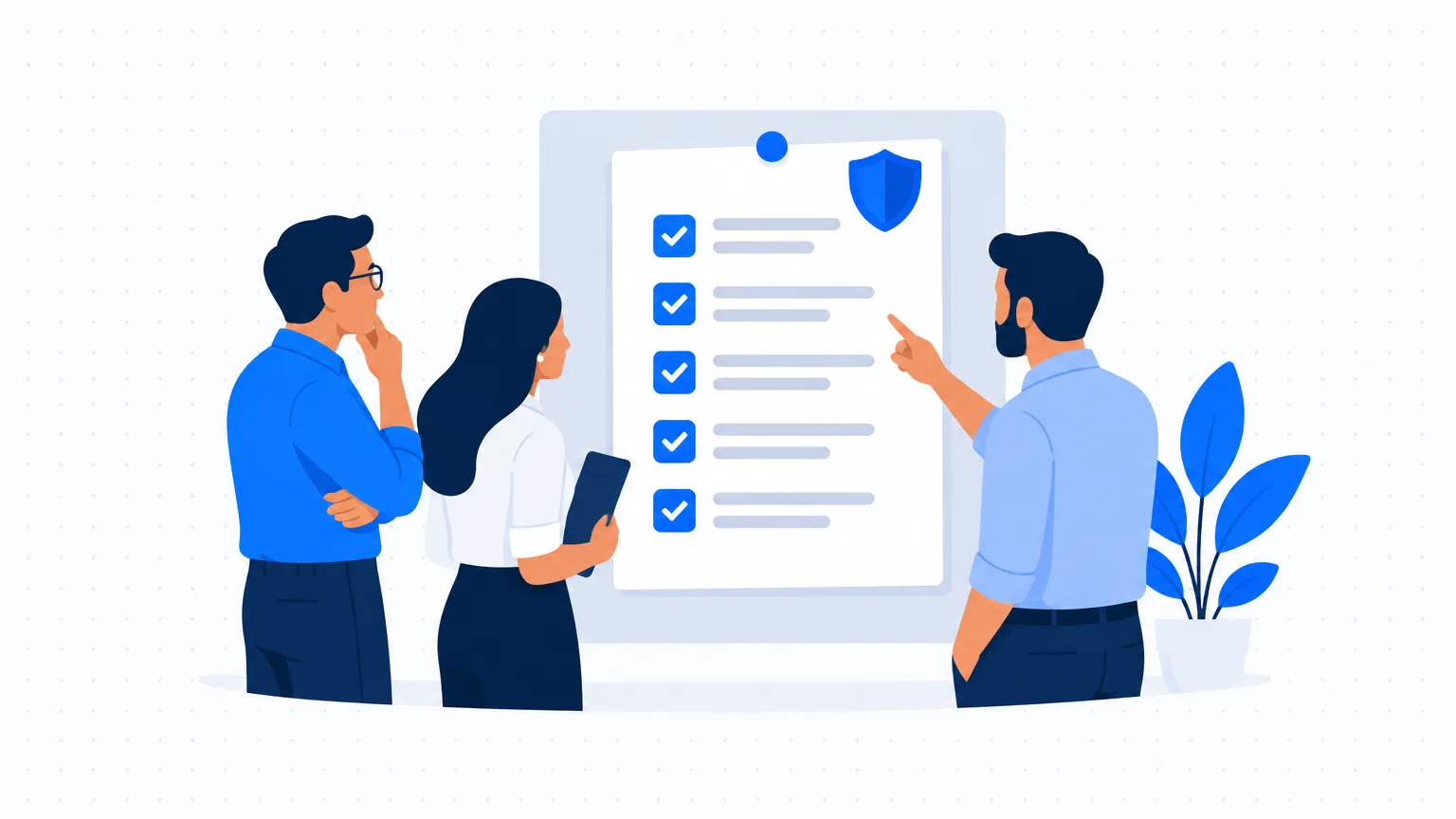
For every task on the list, answer yes or no:
- Is it frequent? It happens every day or every week.
- Is it repeatable? It follows nearly the same steps each time.
- Is it mostly words or numbers? AI works best with text, documents and data.
- Is a mistake easy to catch and fix? A draft message is low-risk. A payment is not.
Tasks with four "yes" answers are your best first candidates.
Example: how the scoring looks
This is a made-up trading business with eight people, used only to show the method.
| Task | Hours a week | Frequent | Repeatable | Words or numbers | Easy to fix | Score |
|---|---|---|---|---|---|---|
| First reply to price enquiries | 5 | Yes | Yes | Yes | Yes | 4 |
| Weekly sales report for the owner | 2 | Yes | Yes | Yes | Yes | 4 |
| Negotiating with a large buyer | 3 | Yes | No | Yes | No | 2 |
| Approving supplier payments | 1 | Yes | Yes | Yes | No | 3 |
The first two tasks score four. The owner picks "first reply to price enquiries" because it takes the most time and a customer is waiting on the other side.
Step 3: Pick one, and define "done"
Choose one task only. Write one sentence that describes success, such as "Every new enquiry gets a first reply the same day." This sentence is how you will judge the trial.
Step 4: Run it for two weeks with a person checking
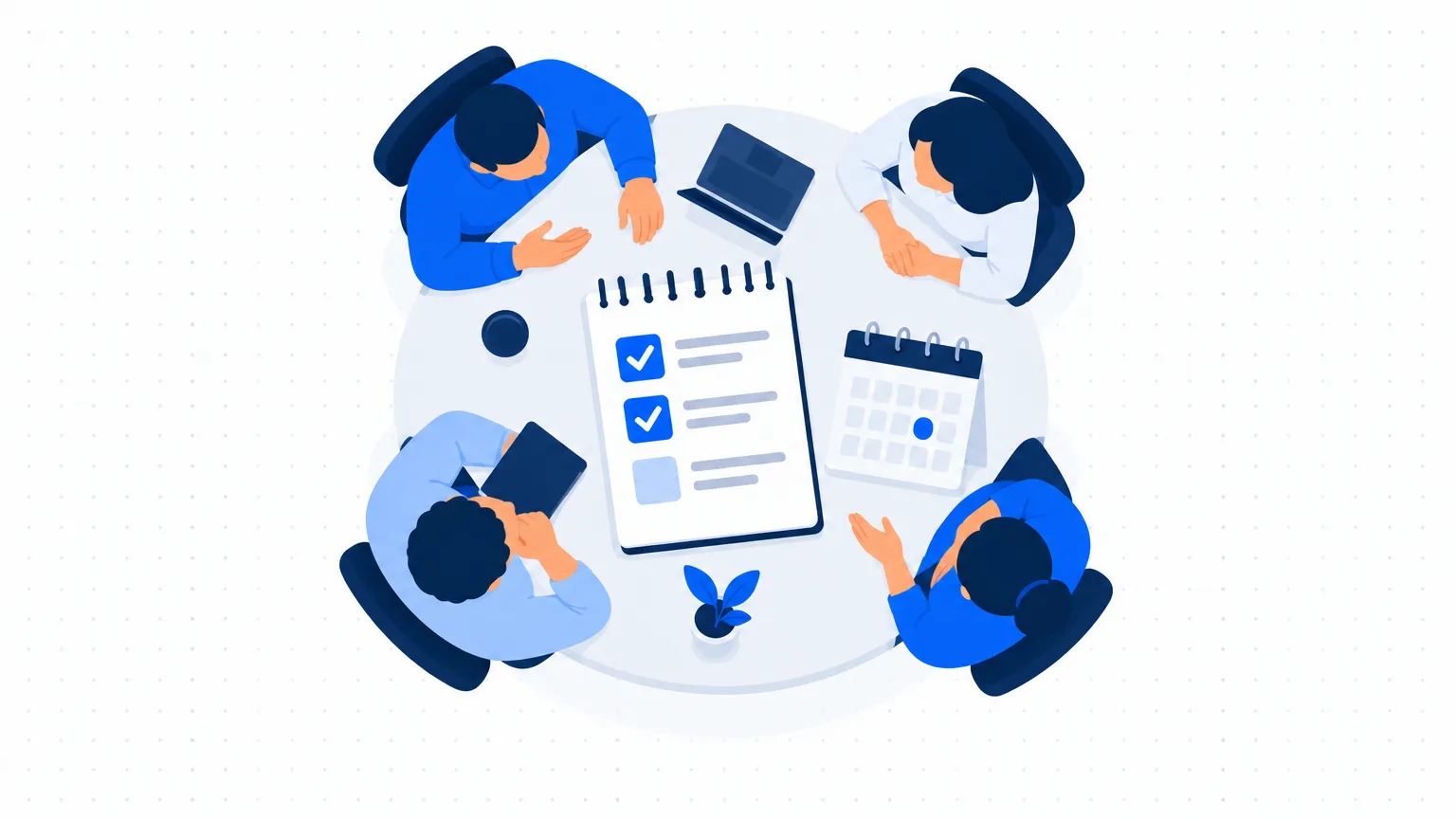
Use one general AI assistant to do the first draft of the task. A team member checks and corrects every output before it is used. Keep a simple note each day:
- what the AI got right
- what it got wrong
- roughly how much time it saved
Two weeks is long enough to see a pattern and short enough to stay focused.
Step 5: Write the new steps down
If the trial worked, write the new way of working as numbered steps, including the instruction you give the AI, so that anyone in the team can follow it. Then move to the next task on your list.
What a good first project looks like
- Retail shop: ready answers to the ten questions customers ask most on WhatsApp.
- Distributor or wholesaler: first replies and follow-ups for price enquiries.
- Manufacturer: turning rough notes into clear quotations and covering emails.
- Service firm or agency: summarising client calls into action points.
What to avoid as a first project
- Anything that moves money, such as payments, refunds and payroll.
- Anything with legal weight, such as contracts and compliance filings.
- Anything where the AI would talk to customers without a person reading first.
- A project that needs three new tools at once.
Common mistakes
- Starting with the hardest problem. Begin with something small that you can finish.
- Buying several tools at once. One general AI assistant is enough for a first project.
- Removing the human check too early. AI can state wrong things with confidence.
- Sharing private data. Do not paste customer personal details, passwords or confidential prices into a tool unless you have checked its privacy terms. See Simple AI rules for your team.
Not sure which task to choose?
The free AI Business Checkup asks ten quick questions about your business and gives you a short list of what to do first, next and later.